Sept 16 - Discussion with Minister of Finance Yassine Jaber
The Minister outlined a broad program to restore the financial system, strengthen public finances and
modernize the State, with banking reform and the Financial Gap Law at the center of the process.
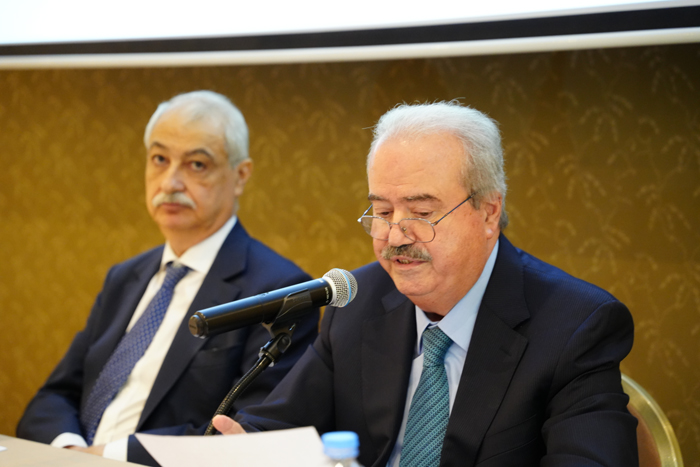
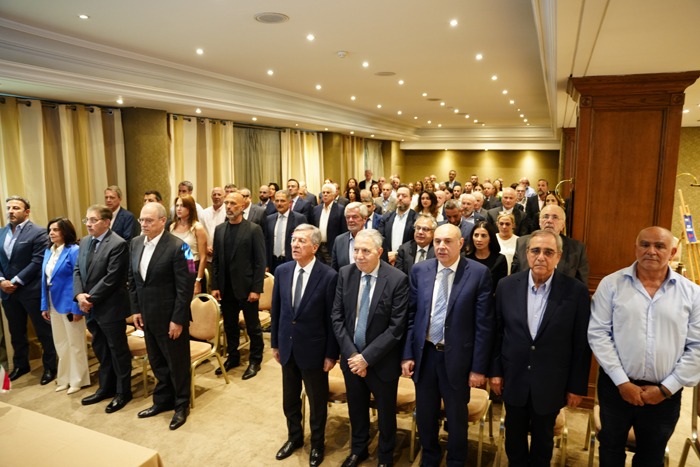
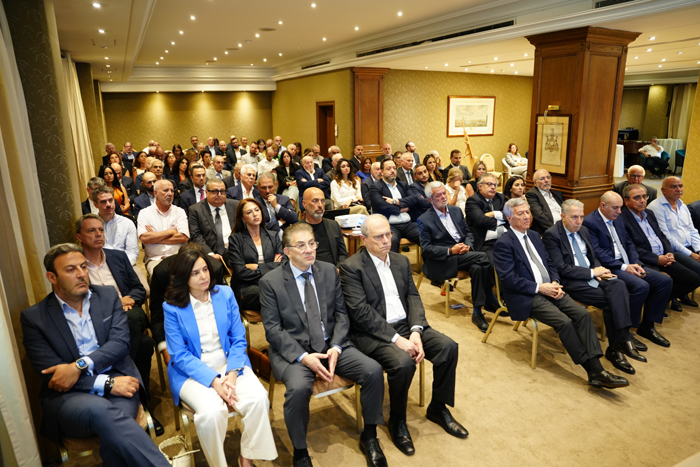
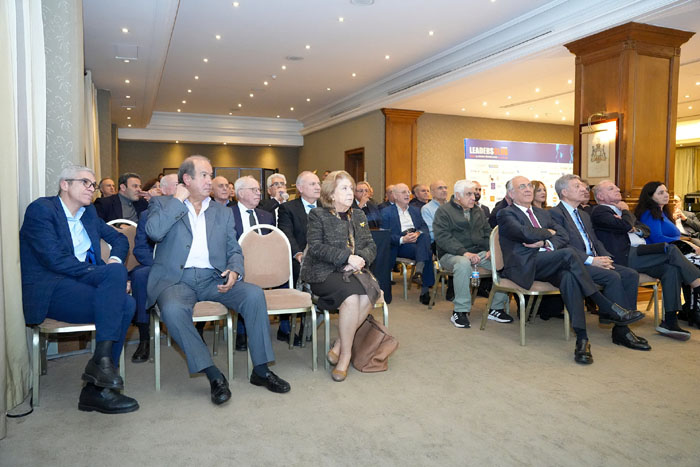
The presentation and discussion of Minister of Finance Yassine Jaber with members of LeadersClub – by Lebanon Opportunities was attended by over 100 participants, include Saadeh Chami, former Deputy-Prime Minister in charge of IMF negotiations, and former ministers of finance Raya El Hassan and Ghazi Wazni, and former ministers Sami Haddad and Vreij Saboundjian, as well as MP Mark Daou.
Out of the extensive presentation, two disclosures were made. The Minister said that the government is seeking to sign a Staff-Level-Agreement (SLA) with the IMF even before the passage of the Gap Law – which is one of the conditions for a program with the fund. “We are going to Washington next week, and this is on our agenda,” said Jaber.
Jaber said that there are currently three banking licenses that are encumbered by pre-crisis customer deposits. They are available for sale. “We encourage investors to acquire them. The Central Bank will certainly approve such sale to qualified buyers,” he said.
Banking reform
Jaber said the recently enacted Bank Resolution Law provides the legal basis for restructuring banks and establishing clear capital requirements. Banks will have to recapitalize, merge or exit the market according to their ability to meet the new requirements. He stressed that restoring depositor confidence is essential to rebuilding a functioning banking sector and moving the economy away from its heavy reliance on cash.
The Financial Gap Law remains the key unresolved component of the financial restructuring process. Jaber said the objective is to establish a framework capable of addressing depositors’ funds within Lebanon’s financial constraints, rather than attempting to restore all losses immediately.
Public finance
On public finances, Jaber said the 2027 budget is being developed within a five-year Medium-Term Fiscal Framework. The objective is to move from a budget focused primarily on controlling spending and balancing revenues and expenditures to a strategic, program-based budget linked to government priorities and measurable results. Revenue growth is expected to come mainly from improved collection and compliance. Measures include stronger income tax and VAT enforcement, a revised General Tax Code, action against tax evasion and the informal economy, and greater use of digital systems.
Jaber also identified public administration, Customs, electronic payments and the real estate registry for modernization. Electricity reform would separate generation, transmission and distribution, with private participation envisaged in generation and distribution. The broader objective is to strengthen state institutions, improve the business environment and create the conditions for private investment and economic recovery.
Jan 2026 - New Year Cocktail
The annual New Year cocktail was organized on Jan 21 at Le Gabriel with many members and friends of the club attending.
A presentation was made based on the Annual Report 2025 that outlined the clubs' activities during that year.
It was followed by a discussion the next steps the club should take following its report: Gaps in the Gap Law.
Sept 16 - Discussion with Minister of Finance Yassine Jaber
The Minister outlined a broad program to restore the financial system, strengthen public finances and modernize the State, with banking reform and the Financial Gap Law at the center of the process.
The presentation and discussion of Minister of Finance Yassine Jaber with members of LeadersClub – by Lebanon Opportunities was attended by over 100 participants, include Saadeh Chami, former Deputy-Prime Minister in charge of IMF negotiations, and former ministers of finance Raya El Hassan and Ghazi Wazni, and former ministers Sami Haddad and Vreij Saboundjian, as well as MP Mark Daou.
Out of the extensive presentation, two disclosures were made. The Minister said that the government is seeking to sign a Staff-Level-Agreement (SLA) with the IMF even before the passage of the Gap Law – which is one of the conditions for a program with the fund. “We are going to Washington next week, and this is on our agenda,” said Jaber.
Jaber said that there are currently three banking licenses that are encumbered by pre-crisis customer deposits. They are available for sale. “We encourage investors to acquire them. The Central Bank will certainly approve such sale to qualified buyers,” he said.
Banking reform
Jaber said the recently enacted Bank Resolution Law provides the legal basis for restructuring banks and establishing clear capital requirements. Banks will have to recapitalize, merge or exit the market according to their ability to meet the new requirements. He stressed that restoring depositor confidence is essential to rebuilding a functioning banking sector and moving the economy away from its heavy reliance on cash.
The Financial Gap Law remains the key unresolved component of the financial restructuring process. Jaber said the objective is to establish a framework capable of addressing depositors’ funds within Lebanon’s financial constraints, rather than attempting to restore all losses immediately.
Public finance
On public finances, Jaber said the 2027 budget is being developed within a five-year Medium-Term Fiscal Framework. The objective is to move from a budget focused primarily on controlling spending and balancing revenues and expenditures to a strategic, program-based budget linked to government priorities and measurable results. Revenue growth is expected to come mainly from improved collection and compliance. Measures include stronger income tax and VAT enforcement, a revised General Tax Code, action against tax evasion and the informal economy, and greater use of digital systems.
Jaber also identified public administration, Customs, electronic payments and the real estate registry for modernization. Electricity reform would separate generation, transmission and distribution, with private participation envisaged in generation and distribution. The broader objective is to strengthen state institutions, improve the business environment and create the conditions for private investment and economic recovery.
Jan 2026 - New Year Cocktail
The annual New Year cocktail was organized on Jan 21 at Le Gabriel with many members and friends of the club attending.
A presentation was made based on the Annual Report 2025 that outlined the clubs' activities during that year.
It was followed by a discussion the next steps the club should take following its report: Gaps in the Gap Law.